

01 REVIEW PRINCIPLE
Compare each cycle to its standard
Review required steps and allowed variations against the standard agreed by the manager.
01 / 05 · WHAT IRUVY DOES
Iruvy Flow is shaping a clear way for managers to review manual work against an agreed standard.
The redesigned manager workcell review is planned but has not been deployed. Flow controls sign-in and role-based access.
02 / 05 · MANAGER REVIEW
Set the standard first, define the cycle, review its evidence, then leave the decision with the manager.
Agree on required steps and allowed variation.
Define cycle boundaries and task sequence.
Separate observed steps from gaps, occlusion and timing issues.
Hold the review when evidence is incomplete.
03 / 05 · EVIDENCE REVIEW
Review sources and limitations together. Keep work-standard adherence, pace or throughput, and product quality distinct.
REVIEW CONTEXT
Do not treat sources as aligned facts before checking clocks, units, calibration and visibility.
04 / 05 · TASK-SELECTED SCOPE
Vision, Core and Fusion are planned package areas. Compatibility, shipping contents, supported clients and performance are unverified.
01 REVIEW PRINCIPLE
Review required steps and allowed variations against the standard agreed by the manager.
02 REVIEW PRINCIPLE
Relate video and existing sensor signals only after checking meaning, units and timing.
03 REVIEW PRINCIPLE
Vision is the starting input. Fusion may add task-relevant existing signals; Core is the shared package direction. NVIDIA Jetson Orin Nano is an evaluation candidate. A manager display is optional; supported clients are unverified.
04 REVIEW PRINCIPLE
Separate observed, inferred and missing information. Hold judgment when evidence is incomplete.
05 REVIEW PRINCIPLE
Review work-standard adherence, pace or throughput, and product quality separately.
06 REVIEW PRINCIPLE
More data alone does not advance the product. Quality judgment needs independent final-inspection, measurement or rework outcomes and verified defect labels. Automation needs task-specific success, failure, recovery, human-intervention and safety validation.
05 / 05 · PROPOSED CUSTOMER HANDOFF
A proposal for a future scope discussion, not an available software output or installation/deployment service.
IRUVY FLOW
WORKCELLS & PRODUCT DIRECTION
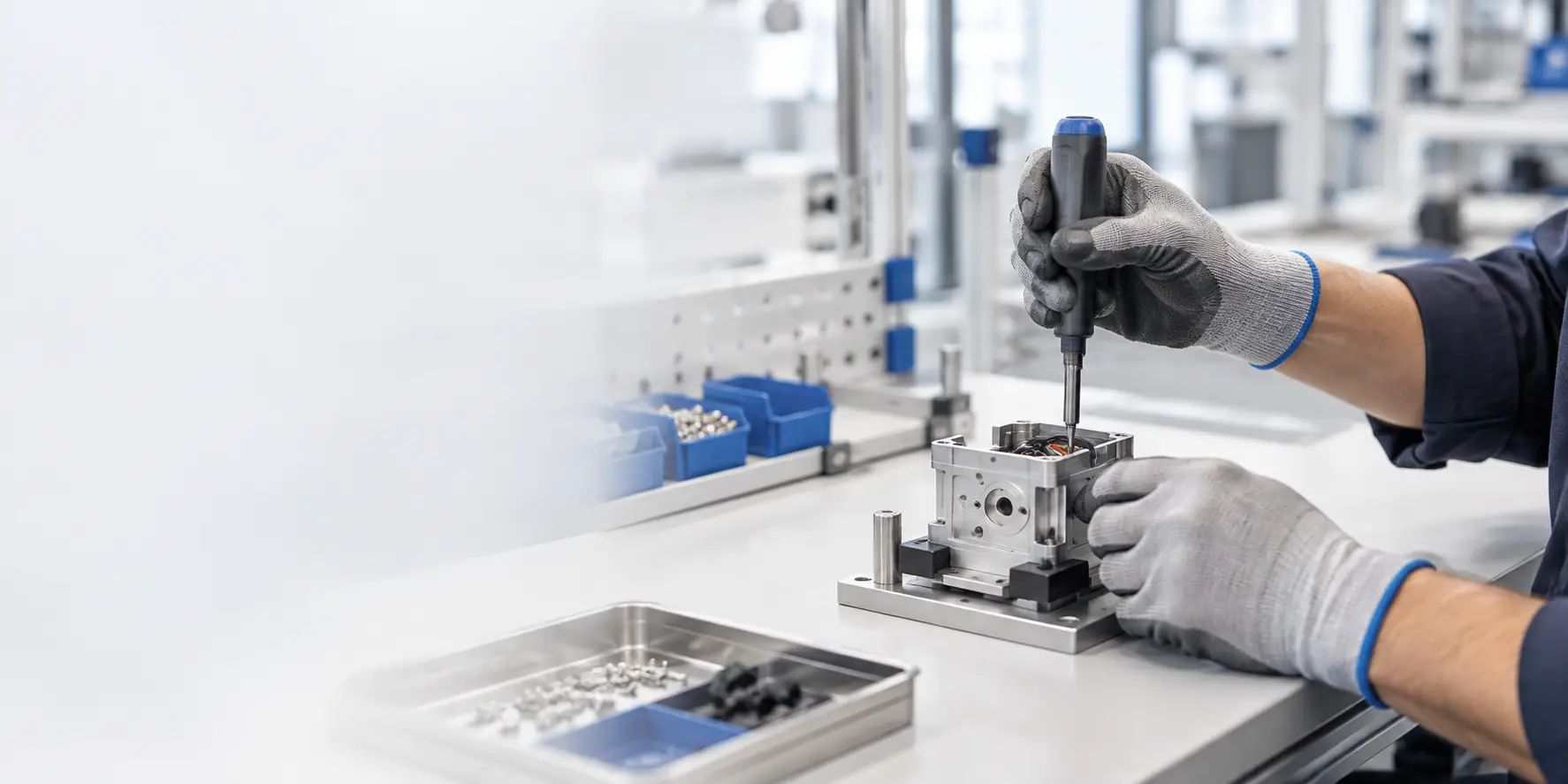
See separate views of assembly, sensing and inspection work.
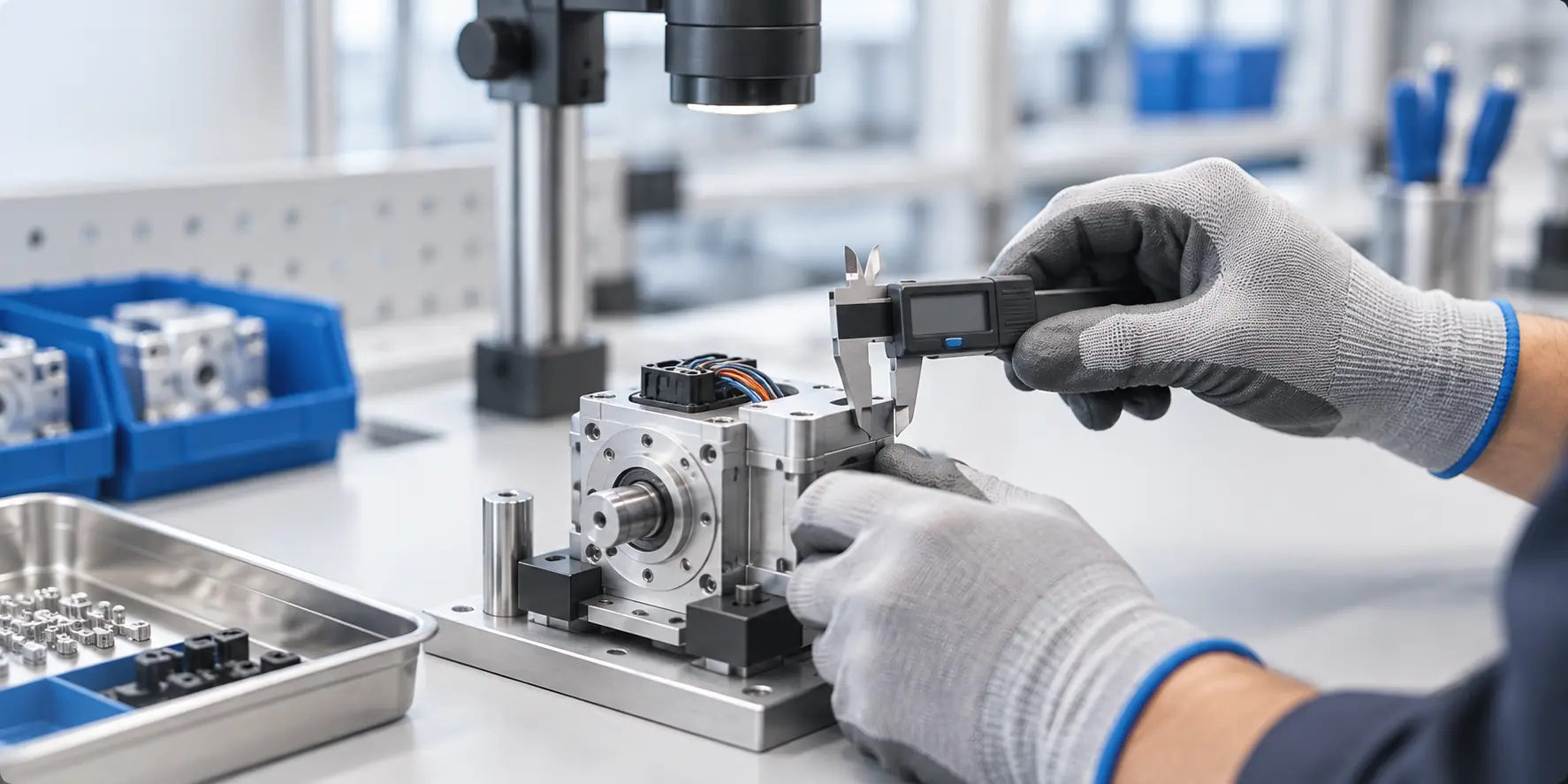
ASSEMBLY
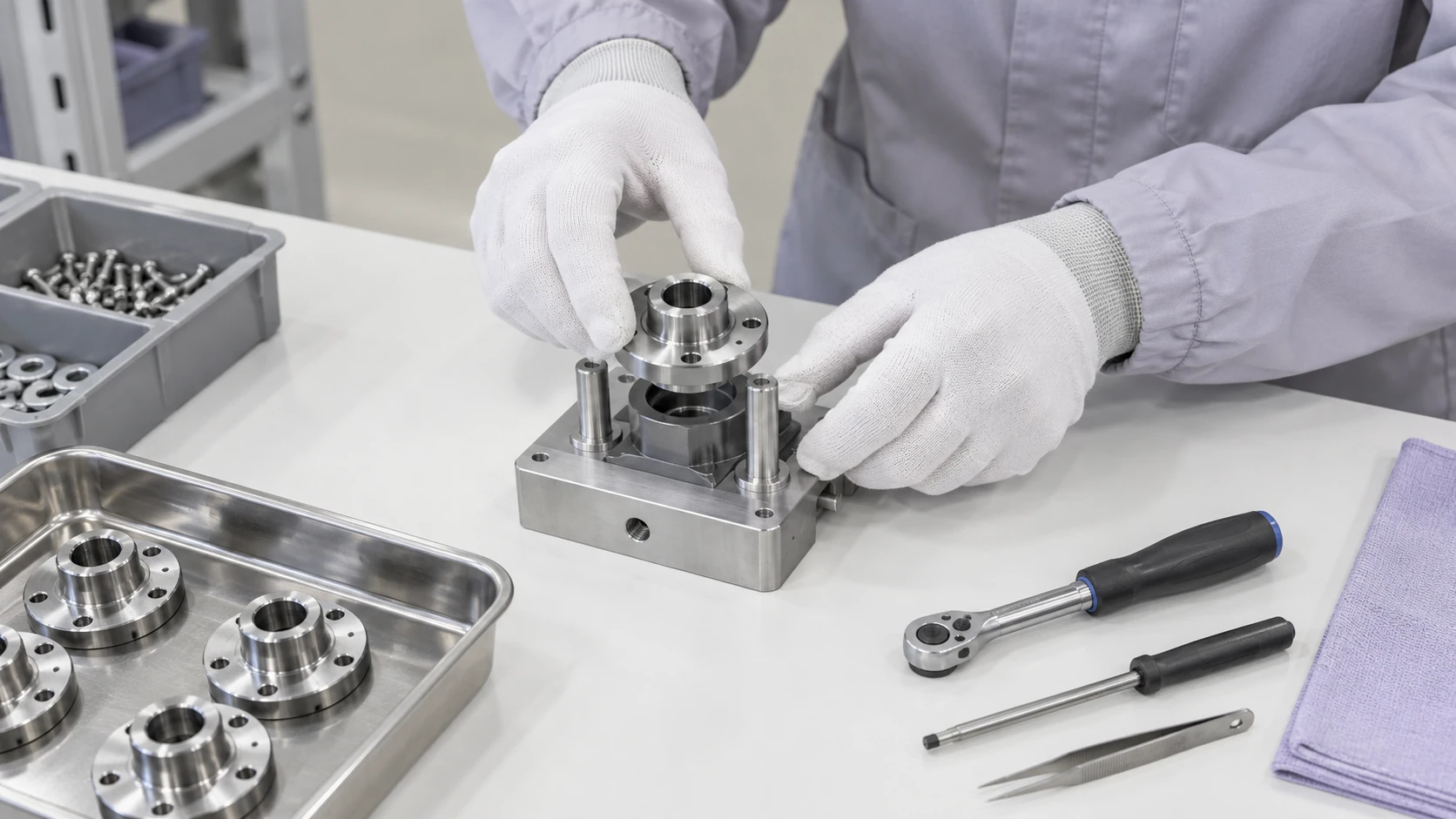
TASK FLOW
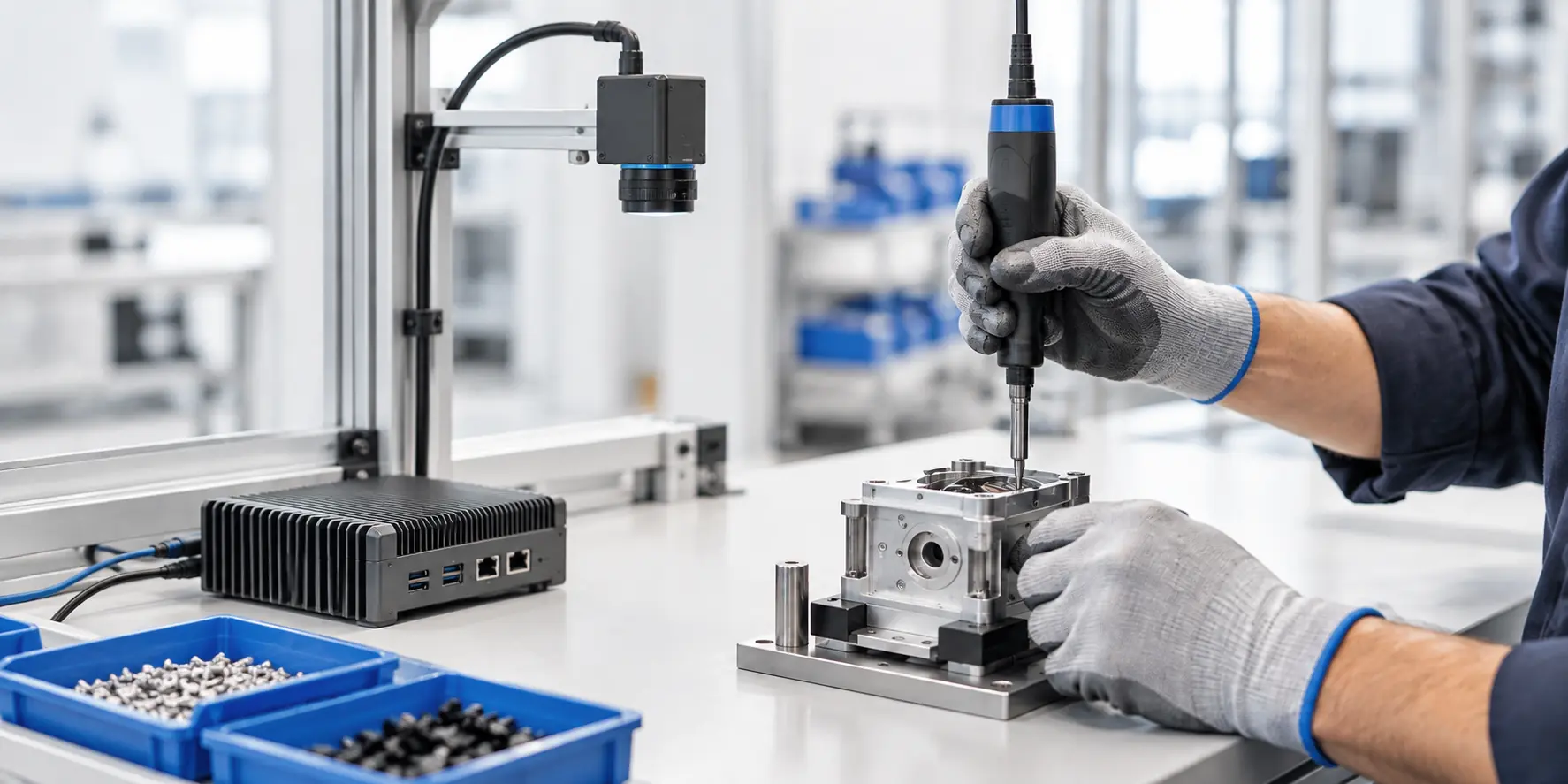
SENSOR SCOPE
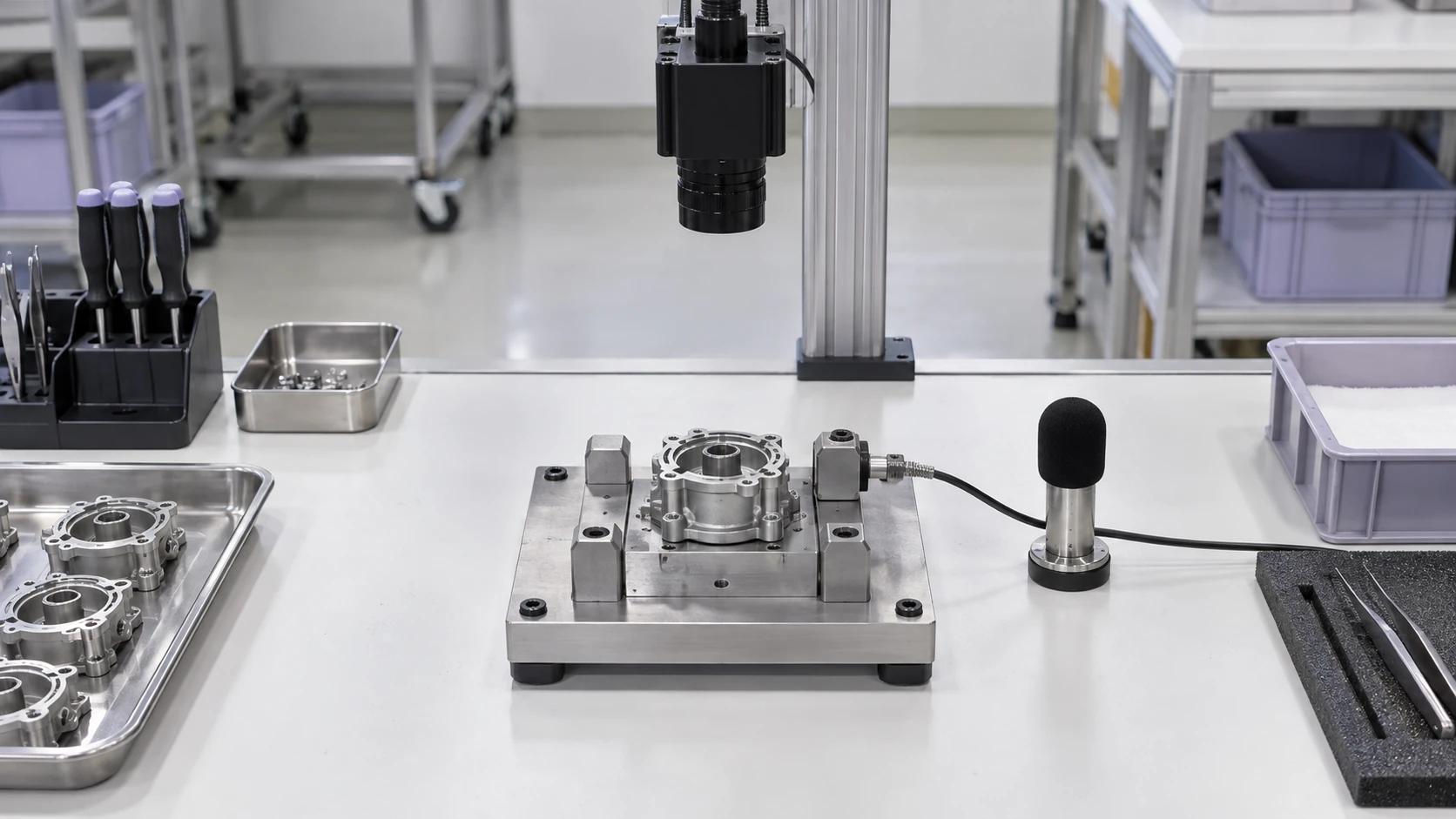
SIGNAL CONTEXT
LATER STAGE
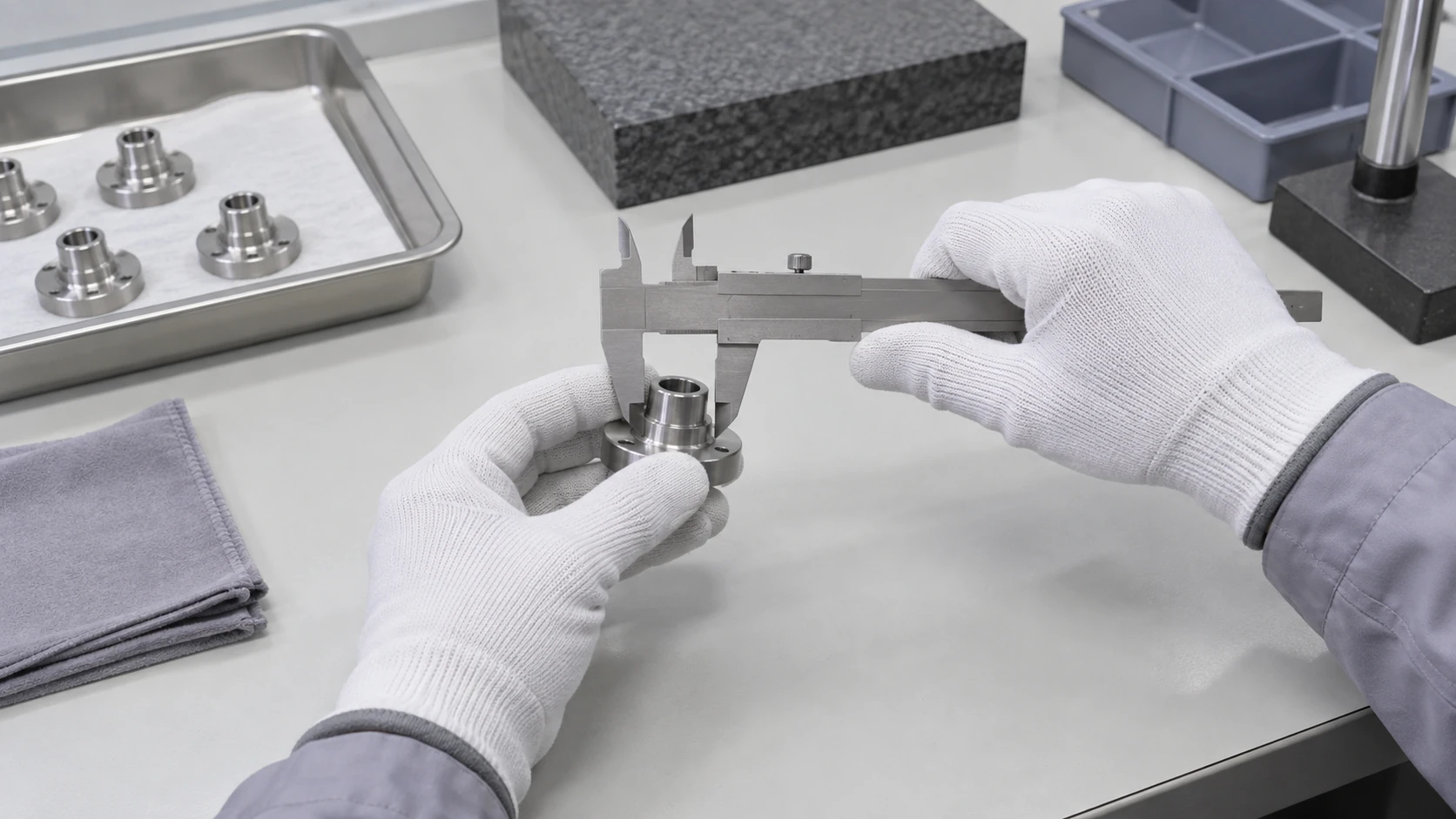
QUALITY SCOPE
CURRENT FLOW · SEPARATE WORKFLOW
Current Flow software supports a separate image-inspection workflow. It is distinct from manager work-cycle review.
Image-inspection guide